
A landscaping cost estimate is more than a number at the bottom of a page. It is the plan for how your property will be prepared, built, protected from water problems, and finished for the long term. Two yards that look similar from the street can require very different amounts of work once grading, access, soil conditions, existing structures, and material choices are considered.
For homeowners in Kitchener, Waterloo, Cambridge, and the surrounding region, the right estimate should be clear enough to help you make decisions before equipment arrives. It should explain what is being installed, what is being removed, and where the budget can change if hidden site conditions are uncovered. That clarity matters when your investment needs to stand up to freeze-thaw cycles, heavy rain, and regular family use.
What a Landscaping Cost Estimate Should Include
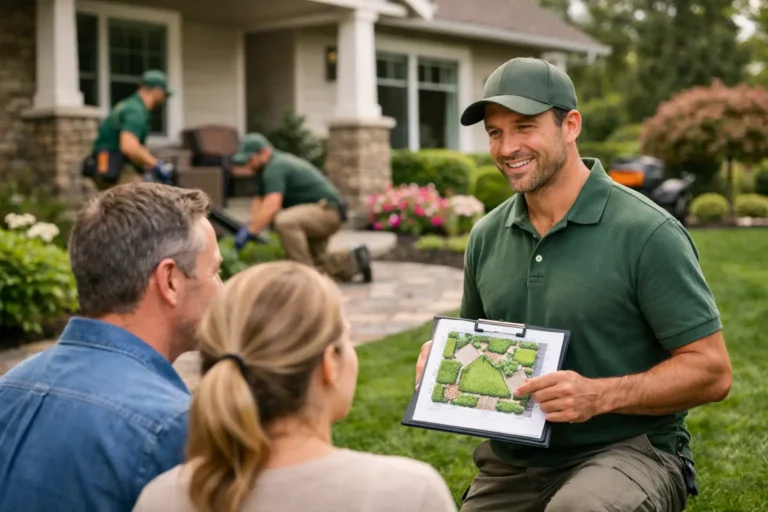
A dependable estimate starts with an on-site look at the property. Measurements, grades, drainage paths, access points, and the condition of the existing yard all affect labor and material quantities. A contractor who prices a project from a few photos may be able to provide a rough range, but an accurate project quote requires a closer inspection.
The written scope should identify the main work areas. For example, a backyard renovation may include removal of old sod, excavation, base preparation for a patio, new garden beds, topsoil, sod, edging, and cleanup. A front-yard curb appeal project may include grading, planting, mulch or river rock, a walkway repair, and restoration along the driveway.
Material details matter as much as the broad category. “Interlock patio” can mean different paver styles, thicknesses, border treatments, base depths, and installation patterns. “Retaining wall” should identify the wall system, drainage approach, capstone, excavation, and whether engineering or permit requirements apply. When those details are left vague, it becomes difficult to compare quotes fairly.
A transparent estimate should also state whether hauling, disposal, delivery, equipment, and final site cleanup are included. These are real parts of a clean installation, not afterthoughts. If a quote appears significantly lower than another, check whether those items were omitted or simply left unclear.
The Biggest Factors That Change Landscaping Costs
Square footage affects cost, but it is not the only driver. Site preparation is often where a project is won or lost. A level, accessible yard with healthy soil is faster to prepare than a compacted lot with poor drainage, tree roots, buried stone, or a steep slope.
Grading is especially important in Waterloo Region. Water needs a planned route away from the home and away from areas where it can undermine pavers, wash out mulch, or soften a lawn. Correcting a drainage issue may require additional soil, regrading, drainage stone, or changes to the layout. It can add to the upfront project cost, but skipping it can lead to far more expensive repairs later.
Access also has a direct effect on labor. A crew can move materials efficiently through an open side yard, but a narrow gate, townhouse lot, fenced backyard, or limited street access may require more manual work. The same is true for demolition. Removing a small garden bed is different from breaking up an old concrete pad, dismantling a failing wall, or hauling away multiple loads of excavated soil.
The main price factors usually include:
- Site access, slope, soil conditions, and drainage requirements
- Removal and disposal of sod, concrete, old pavers, soil, or existing structures
- Material quality, quantity, delivery distance, and specialty finishes
- Base preparation and compaction for hardscape areas
- Structural requirements for retaining walls, steps, and elevation changes
- Plant sizes, soil amendments, mulch, river rock, and seasonal availability
Hardscaping generally carries a higher cost than a simple planting or sod project because it involves excavation, aggregate base, compaction, cutting, edge restraint, and precise finishing. That does not mean every patio needs the most expensive paver. It means the base underneath should never be treated as optional. In an Ontario winter, poor preparation shows up quickly through settling, shifting, and drainage problems.
Why the Lowest Quote Can Cost More Later
A low quote is not automatically a bad quote. A smaller, straightforward project may legitimately require less labor and fewer materials. The concern is a quote that is low because essential work has been removed from the scope.
For a patio or walkway, ask how deep the excavation will be, what base material is used, how it will be compacted, and how water will drain away. For a retaining wall, ask how the wall will be supported and drained. For sod installation, ask whether the existing surface will be graded, whether new soil is included, and how seams and edges will be finished.
Good landscaping work is not just what you see on completion day. It is the preparation below the surface, the lines that drain correctly, the wall that holds its grade, and the pavers that stay level after winter. Premium materials help, but workmanship and proper installation methods protect the investment.
Insurance and crew coverage should also be part of the decision. Residential landscaping involves excavation, equipment, lifting, and work near homes, fences, utilities, and driveways. Working with an insured contractor and WSIB-covered crew gives homeowners greater confidence that the job is being handled responsibly.
How to Compare Estimates Fairly
The best way to compare estimates is to compare scope, not just totals. Put the project details side by side. One contractor may include topsoil, edging, delivery, disposal, and cleanup, while another lists only material installation. Those are not equal proposals, even if both use the same project name.
Look for clear quantities where they make sense. Patios and driveways may be measured by square footage, retaining walls by face area and height, and sod or mulch by area or volume. Exact quantities can change slightly once excavation begins, but the estimate should show the assumptions used to build the price.
It is also reasonable to ask where there is flexibility. A contractor may be able to provide a few paver options, adjust the size of a planting bed, phase part of a larger project, or suggest a durable alternative material. The goal is not to cut every cost. It is to direct the budget toward the features that improve how your property works and holds up over time.
Be cautious about changing plans after work has started without discussing the price and schedule. Adding steps, extending a patio, moving a wall, or requesting additional plantings can affect material orders, labor, and site logistics. A professional contractor should communicate those changes clearly before moving ahead.
Questions to Ask Before Approving Your Project
Before signing off on an estimate, make sure you understand the finish line. Ask what the crew will do to protect existing lawn, fencing, and nearby areas. Confirm how long the work is expected to take, recognizing that rain, material availability, and site discoveries can affect timing. Ask who will be your point of contact if you have a question during the project.
You should also confirm whether permits are needed. Some retaining walls, drainage changes, and projects near property lines may have requirements that need to be addressed before construction. A contractor should not treat permits as a surprise once the job is underway.
Finally, ask about the care your new landscape will need. Fresh sod requires watering and proper first mowing. New plantings need attention while roots establish. Interlock and retaining walls benefit from sensible drainage management and seasonal observation. A good installation gives you a strong starting point, while basic maintenance helps keep it looking that way.
Build the Estimate Around the Yard You Actually Have
Every property has a different priority. One homeowner may need a safe set of outdoor stairs and a retaining wall to manage a slope. Another may want a larger patio where the family can eat outside, or a front entrance that gives the home stronger curb appeal. The best project is not the one with the longest feature list. It is the one that solves the practical issues first and adds the finishes that make the space enjoyable.
Right On Landscaping provides free on-site estimates built around the condition, layout, and goals of each property. A clear conversation before construction can help you choose materials confidently, plan for drainage and durability, and understand exactly what your investment covers. Start with the problems your yard needs to solve, then build a landscape that will keep working long after the final cleanup.