Hire an Outdoor Staircase Installation Contractor

A set of outdoor steps can make a steep backyard feel usable again, create a safer route from a driveway to an entrance, or connect a patio to the rest of the property. But when stairs are installed without proper base preparation, drainage planning, and structural support, they can shift, settle, and become a headache after one or two winters. Choosing the right outdoor staircase installation contractor is the difference between steps that look good on day one and steps that stay safe and solid for years.

For homeowners in Kitchener, Waterloo, Cambridge, and across Waterloo Region, outdoor stairs need to handle freeze-thaw cycles, heavy rain, foot traffic, and seasonal maintenance. A good installation is not just about laying stone. It starts with understanding the grade, the soil, the path water takes through the yard, and how the stairs will connect to surrounding hardscape.

What a Professional Outdoor Staircase Installation Contractor Handles

Outdoor staircases are often part of a larger landscaping problem. A sloped yard may need stairs, but it may also need a retaining wall to hold the grade in place, a landing for safe transitions, or drainage work to keep water from running down the stairway. Treating these pieces as separate problems can lead to mismatched materials, awkward heights, and water collecting where it should not.

An experienced contractor starts with the site. They measure the rise from one elevation to another, identify the most natural walking route, and determine whether the stairs require landings or retaining support. They also consider access for equipment and materials, which affects both the installation plan and the estimate.

The goal is a staircase that feels comfortable to use. That means consistent step heights and depths, stable edges, enough width for daily traffic, and a clear route at the top and bottom. A few inches of difference between steps may not look significant on paper, but it can feel unsafe when carrying groceries, gardening tools, or a child’s bike.

The Base Matters More Than the Surface

Interlock, natural stone, concrete, and precast steps can all be good choices. The material matters, but the base below it matters more. In Southern Ontario, ground movement from frost is a real concern. Steps placed on poorly prepared soil can heave, tilt, or separate from adjoining patios and walkways.

A proper installation typically includes excavation, compacted granular base material, careful leveling, and edge restraint where required. The exact depth and method depend on the site, soil conditions, material selected, and whether the stairs are tied into a retaining wall or patio. There is no one-size-fits-all base that works for every property.

This is also where low bids can become costly. An estimate that leaves out excavation, compaction, disposal, base material, or drainage corrections may look attractive at first. It may not reflect the work needed to build stairs that hold their position through repeated winter cycles.

Choosing Materials for Safety, Style, and Winter Performance

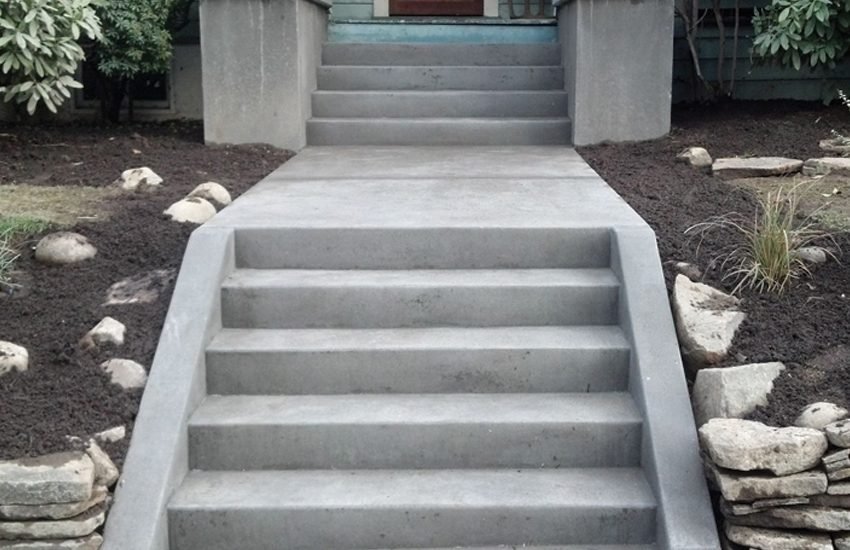
The best material for an outdoor staircase depends on your home, budget, slope, and the rest of the landscape. Concrete steps are practical and often work well for front entrances. Precast units offer a clean, consistent look and can be an efficient option for straightforward elevations.

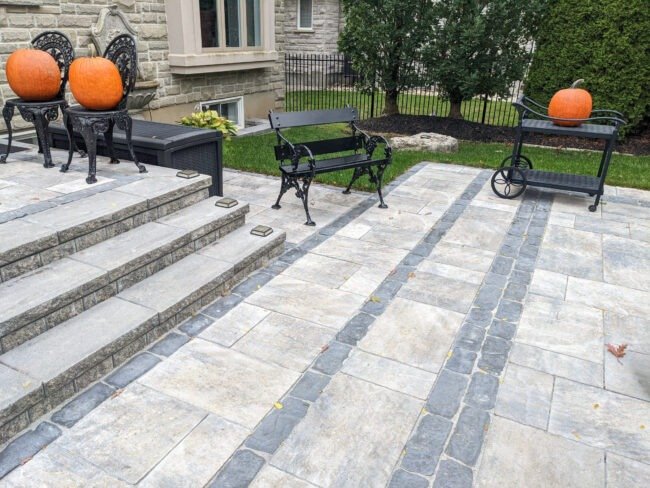
Interlock stairs are popular when homeowners want the steps to match a driveway, patio, or walkway. They offer flexibility in size, color, and layout, and they can create a finished transition between outdoor living areas. They do require careful installation because every course must remain level and properly supported.

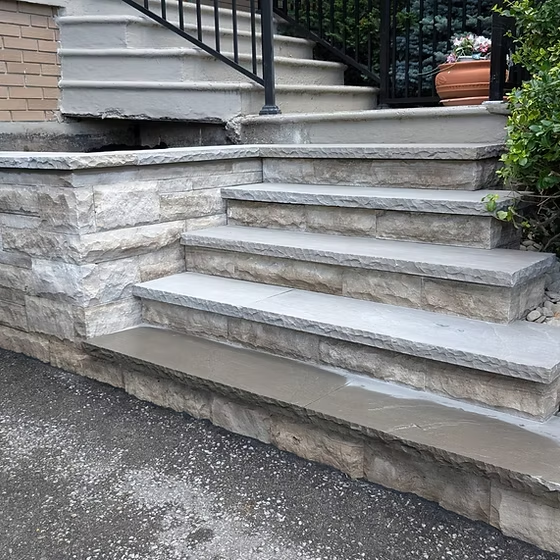
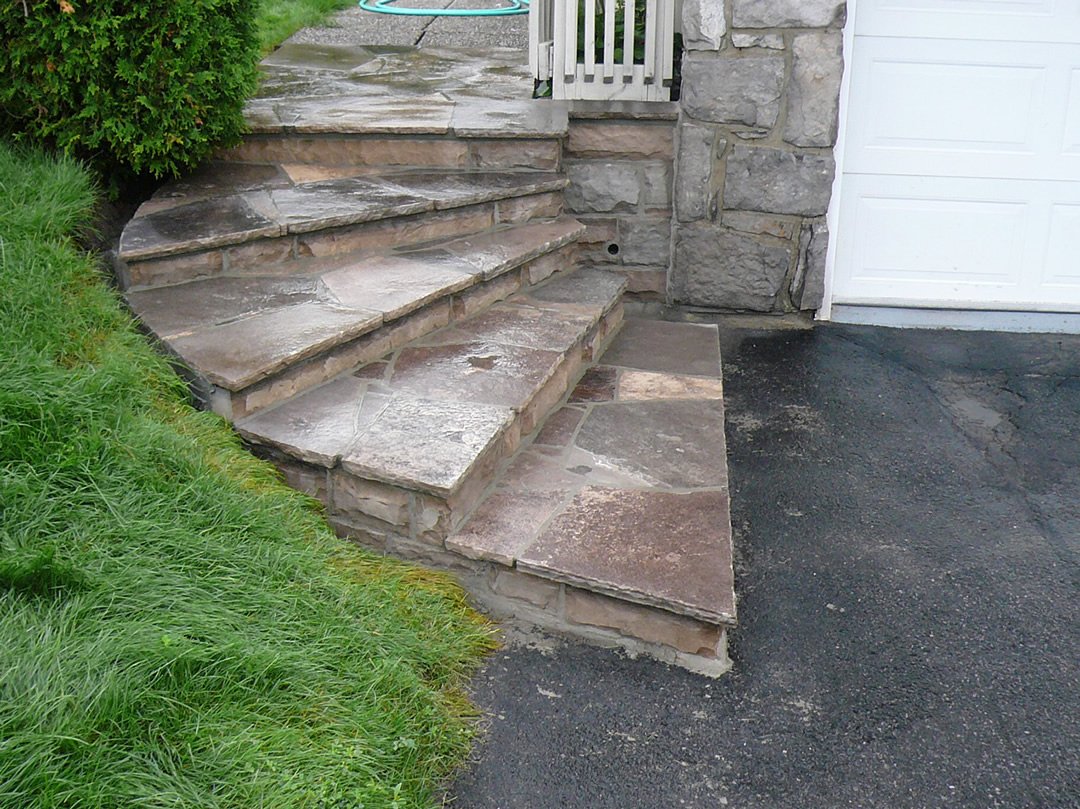
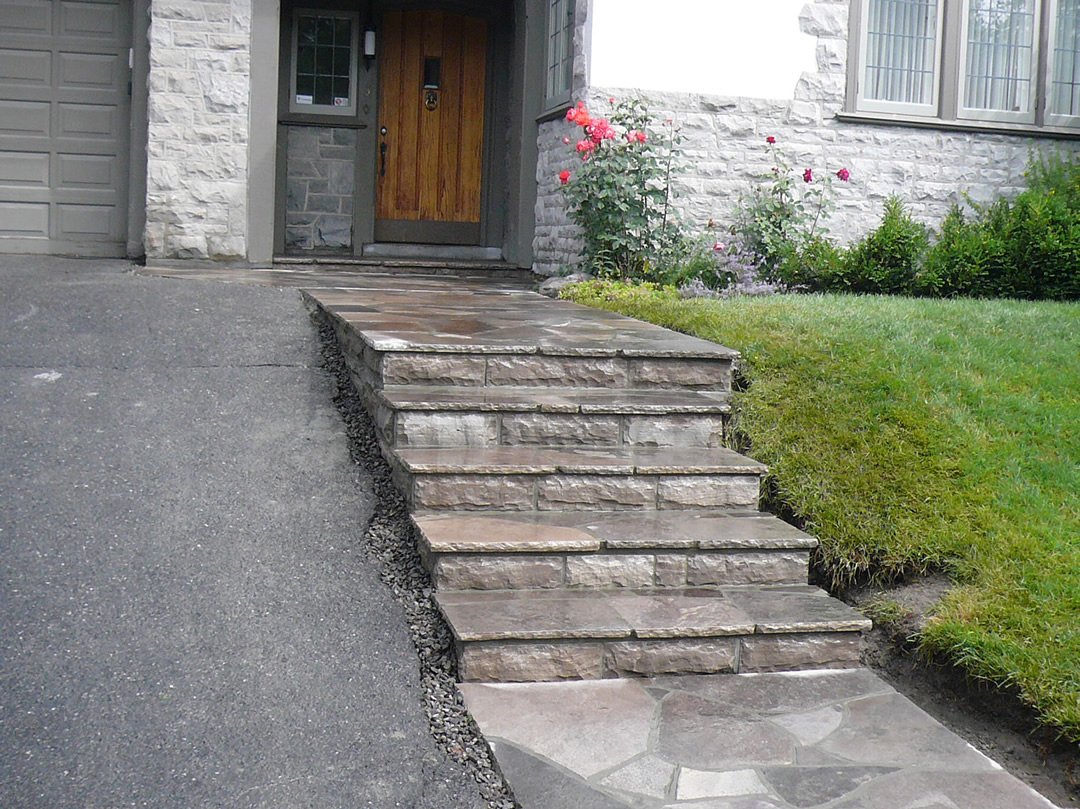
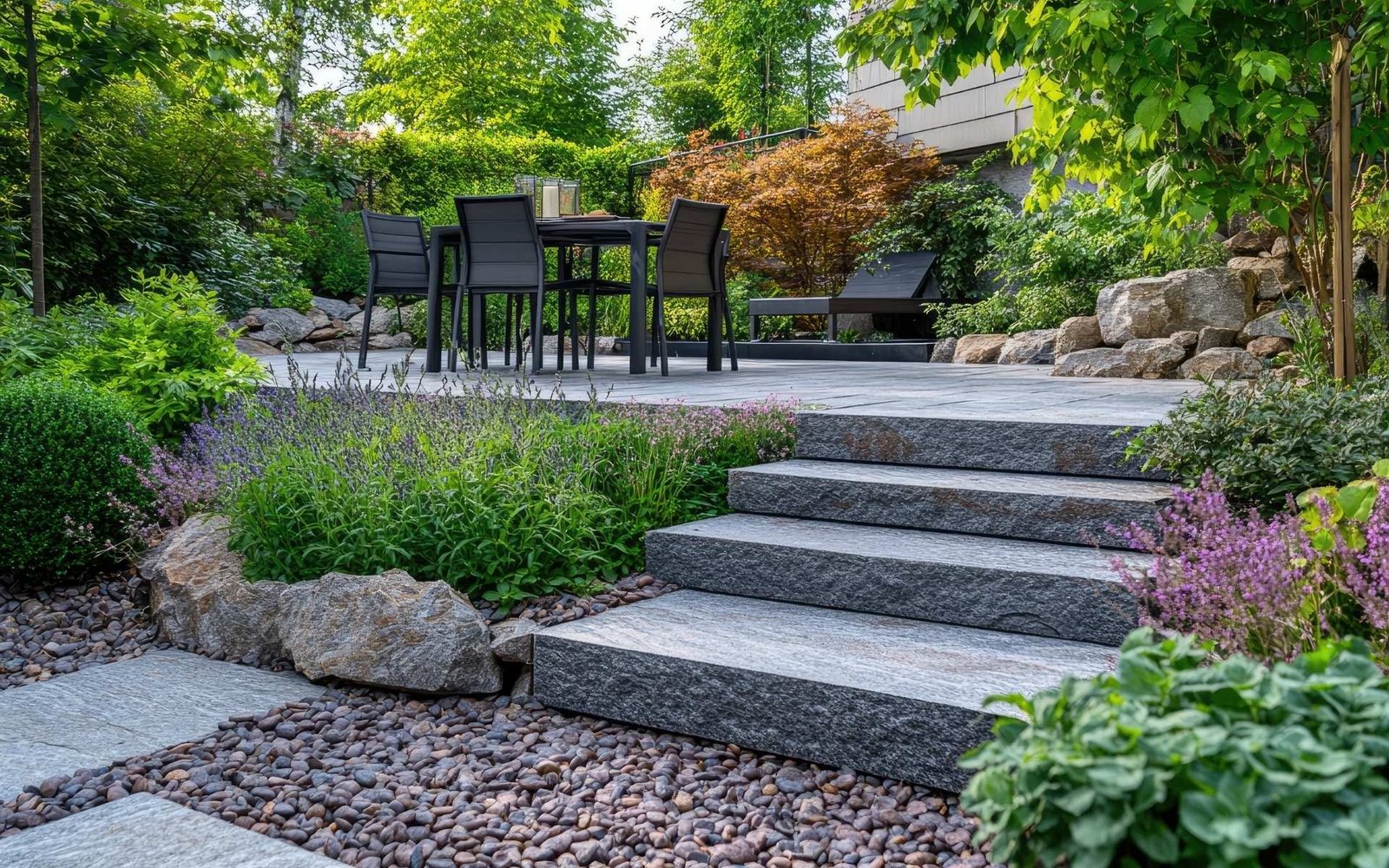
Natural stone provides a more organic appearance that suits garden paths, backyard terraces, and landscaped slopes. Stone can vary in shape and thickness, so installation takes more fitting and planning. The finished result can be exceptional, but it is usually not the lowest-cost choice.

For every material, traction deserves attention. Smooth surfaces can become slippery with rain, snow, ice, or wet leaves. The right contractor will recommend finishes, tread sizes, and layouts that make sense for how your family uses the space. A stairway that is beautiful but uncomfortable or slick underfoot is not a successful installation.

Drainage Is Part of the Staircase Design

Water is one of the biggest threats to exterior hardscaping. If runoff flows down the stairs or pools behind them, it can wash out bedding material, create ice hazards, and weaken the surrounding grade. On sloped properties, the water issue may be more important than the staircase itself.

A qualified outdoor staircase installation contractor looks at where water starts, where it travels, and where it should be directed instead. That may involve adjusting the pitch of nearby hardscape, installing drainage stone behind a retaining feature, reshaping the grade, or adding a suitable drainage solution. The right approach depends on the property. Redirecting water toward a neighbor’s yard or straight against the foundation is never a fix.

Landings are especially important in drainage planning. They need a controlled slope so water moves away without making the surface feel uneven. Connections between steps, patios, walkways, and garden beds also need clean transitions that do not create gaps for water to enter.

Questions to Ask Before You Hire

A contractor should be able to explain the work in plain language. You do not need to become a hardscaping expert, but you should know what is included and why it is needed.

Ask how the base will be prepared, how the stairs will be supported, and how drainage will be handled. Confirm whether removal and disposal of existing steps or materials are included. If retaining walls are part of the project, ask whether permits or engineering requirements may apply in your municipality. Requirements vary based on wall height, location, and site conditions.

It is also reasonable to ask about insurance and WSIB coverage, project timing, material options, and what happens if unexpected site conditions are found after excavation begins. Tree roots, buried debris, unstable soil, and old concrete can affect the scope. A dependable contractor addresses those possibilities clearly rather than making vague promises.

Look for a detailed estimate that identifies the materials, preparation work, installation scope, and any related features such as landings, walls, walkways, or grading. Transparent pricing does not always mean the lowest number. It means you can see what you are paying for and compare quotes on the same basis.

When Stairs Need a Retaining Wall

Not every slope needs a retaining wall, but many outdoor stair projects do. If the staircase cuts through a steep grade, the soil beside it needs to be held back safely. A wall can create clean terraces, reduce erosion, and keep the stairway from being squeezed or undermined by moving soil.

The staircase and wall should be designed together. Their heights, material sizes, drainage, and connection points all affect the finished result. Building the steps first and trying to add wall support later often creates unnecessary complications.

This is particularly relevant for backyards that drop away from a deck or patio. A well-planned combination of stairs, landings, retaining walls, and planting beds can turn an awkward slope into a practical outdoor space. It also creates clear routes for children, guests, lawn care, and everyday access.

Signs Your Existing Outdoor Steps Need Attention

Some stair problems are cosmetic, while others create safety concerns. Cracked surfaces, loose stones, leaning risers, and uneven treads should be checked before they become worse. Water pooling on a landing, gaps opening between steps, or soil washing away along the sides are also signs that the structure or drainage needs correction.

Repairs can be practical when the base is stable and the damage is limited to a few components. If the staircase has widespread settling or repeated movement, rebuilding may offer better long-term value. Patching visible problems without correcting the underlying base or drainage issue usually delays the same repair.

Right On Landscaping approaches stair projects with the full property in mind, from grading and drainage to retaining walls, patios, and walkways. That helps homeowners avoid a piecemeal result and invest in an outdoor staircase that fits the home and the way the yard is used.

A well-built staircase should make moving through your property feel natural, not something you think twice about in rain, snow, or a busy family weekend. Start with an on-site assessment, ask clear questions about the base and drainage, and choose a crew that is prepared to build for the conditions beneath the surface.

Similar Posts