A native garden planting service is not just a way to add flowers around the front walk. When it is planned for your property, it can make difficult areas look finished, support pollinators, reduce recurring maintenance, and give your Kitchener, Waterloo, or Cambridge home stronger curb appeal. The result depends on more than choosing a few plants labeled native. Healthy gardens start with the right grading, soil preparation, plant placement, and clean installation.
For homeowners who want a yard that looks good through changing seasons without demanding constant attention, native planting can be a practical investment. It works especially well when it is part of a larger landscape update, such as a new patio, walkway, retaining wall, fresh sod, or front-yard renovation.
What Makes a Native Garden Different?
Native plants are species that developed in a region’s natural conditions over a long period of time. Once established in the right location, they are generally better suited to local weather patterns, soils, and seasonal changes than plants selected only for a quick burst of color.
That does not mean every native plant will thrive everywhere. A sunny, dry front yard and a shaded backyard with heavy soil have very different needs. Some plants handle damp areas well, while others need excellent drainage. A good garden design matches the plant to the site instead of forcing a plant to survive in the wrong conditions.
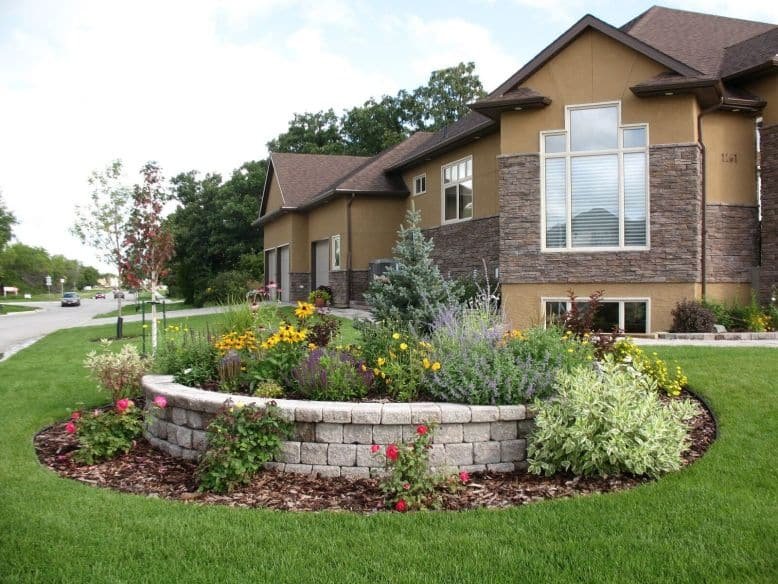
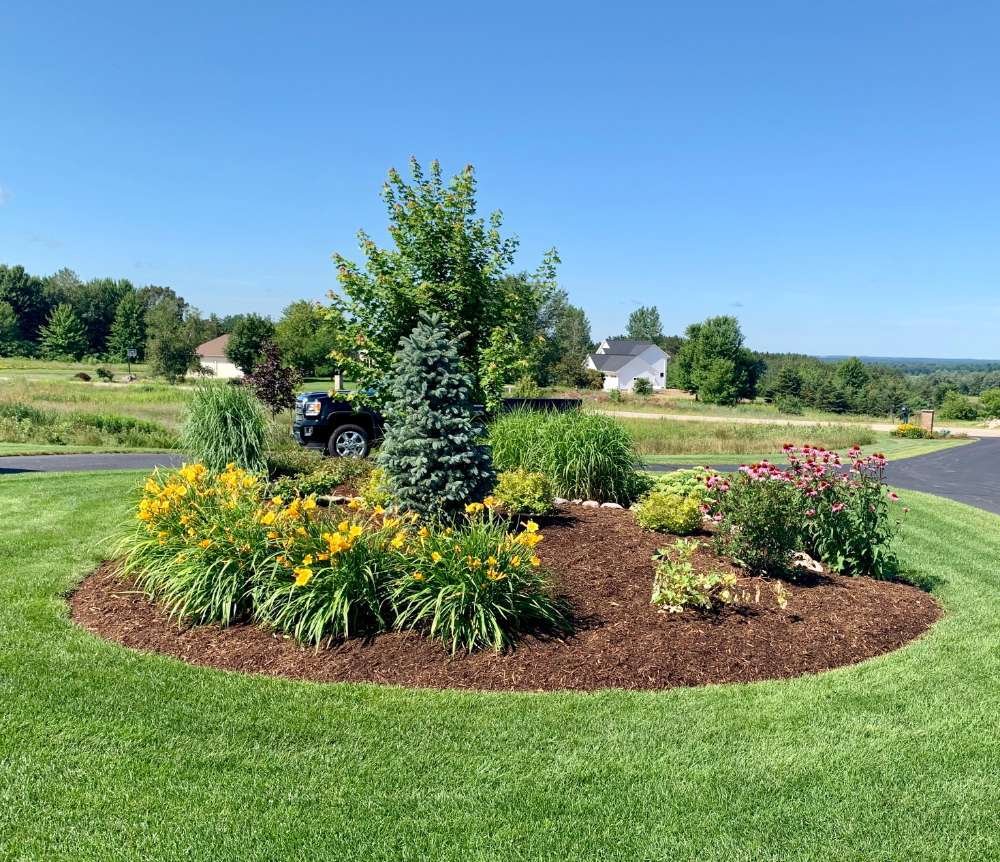
Native gardens also bring more seasonal structure to a property. Early blooms can brighten spring, taller grasses and perennials can add texture through summer, and seed heads can keep the garden from looking bare in fall and winter. The goal is not a messy or overly wild-looking yard. With defined bed edges, thoughtful spacing, mulch, and a clear layout, a native garden can look as polished as any traditional planting bed.
Why Soil Prep Matters Before Planting
The plants are the visible part of the project, but the ground underneath determines whether the garden will establish properly. Many residential yards across Waterloo Region have compacted soil from construction, poor drainage around foundations, uneven grades, or thin topsoil beneath existing turf. Planting directly into those conditions often leads to weak growth, standing water, and plants that struggle through their first winter.
Before installation, the site should be assessed for sun exposure, drainage, slope, soil condition, and existing roots or utilities. Beds may need to be reshaped, compacted areas loosened, and soil improved before plants go in. Where runoff is moving toward a house, garage, or neighboring property, the drainage issue should be addressed first rather than covered with new plants and mulch.
This is where professional landscape work makes a real difference. A well-built garden bed has a deliberate height and edge, enough quality soil for root development, and a finished grade that directs water where it should go. It also needs to work with surrounding features such as interlock, retaining walls, lawns, and downspouts.
A Native Garden Planting Service Should Fit Your Yard
There is no single plant list that works for every property. The best native garden planting service begins with how you use the space and what conditions are already there.
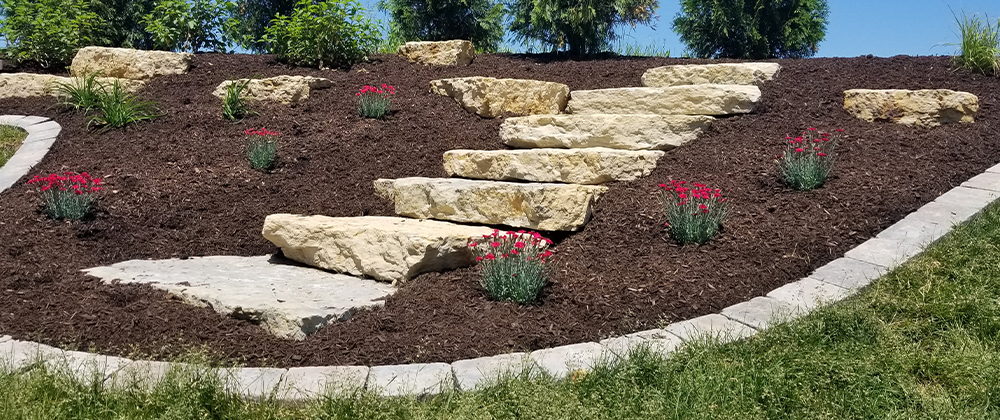
A front-yard bed may need lower plantings near a driveway or walkway to keep sightlines open. A backyard border can use more height and screening around a fence, patio, or seating area. On a slope, deeper-rooted plants may be part of a broader erosion-control plan, although severe slopes may first require grading or a properly constructed retaining wall.
Homeowners also need to decide how much upkeep they want. Native gardens are often lower maintenance after they are established, but they are not no-maintenance. New plants need regular watering in their first growing season, beds still need weeding, and some perennials benefit from seasonal cutting back or division. A simpler design with fewer species is often easier to maintain than a densely packed collection of plants.
A practical plan considers four main factors:
- Sun and moisture conditions across the yard
- Mature plant size, spacing, and visibility near paths or windows
- Bloom time, foliage texture, and year-round appearance
- The level of ongoing maintenance you want to handle
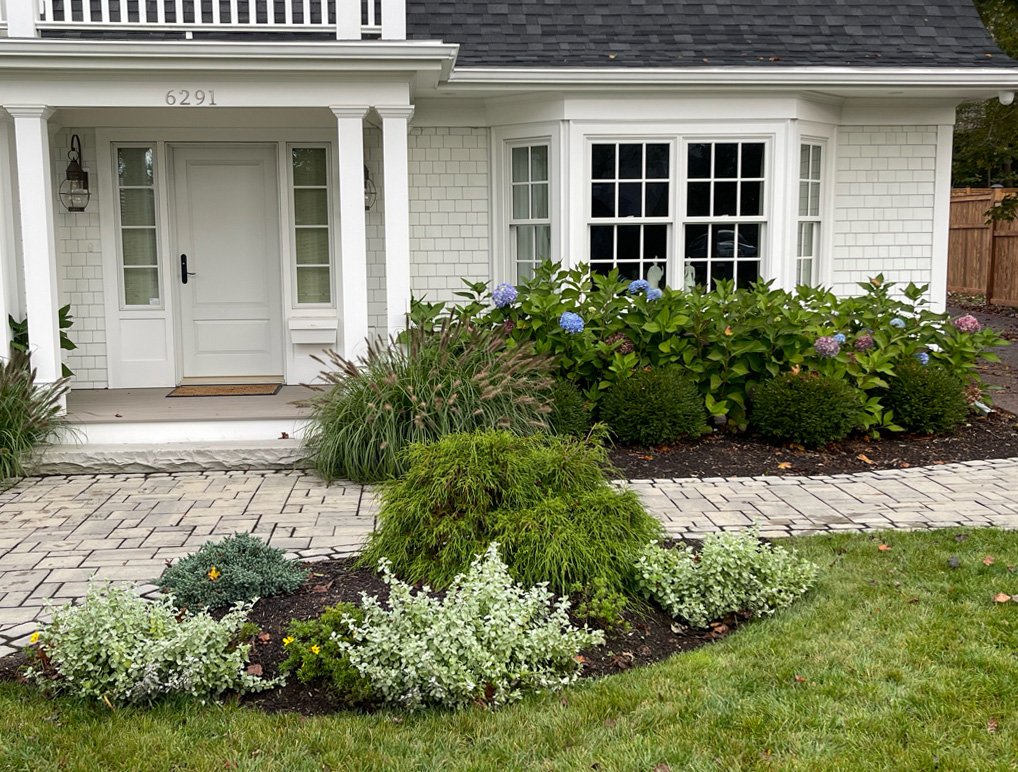
The right mix may include flowering perennials, ornamental grasses, shrubs, and groundcover. The layout should look intentional from the street while leaving room for plants to mature without crowding each other.
Clean Edges and Mulch Make the Garden Look Finished
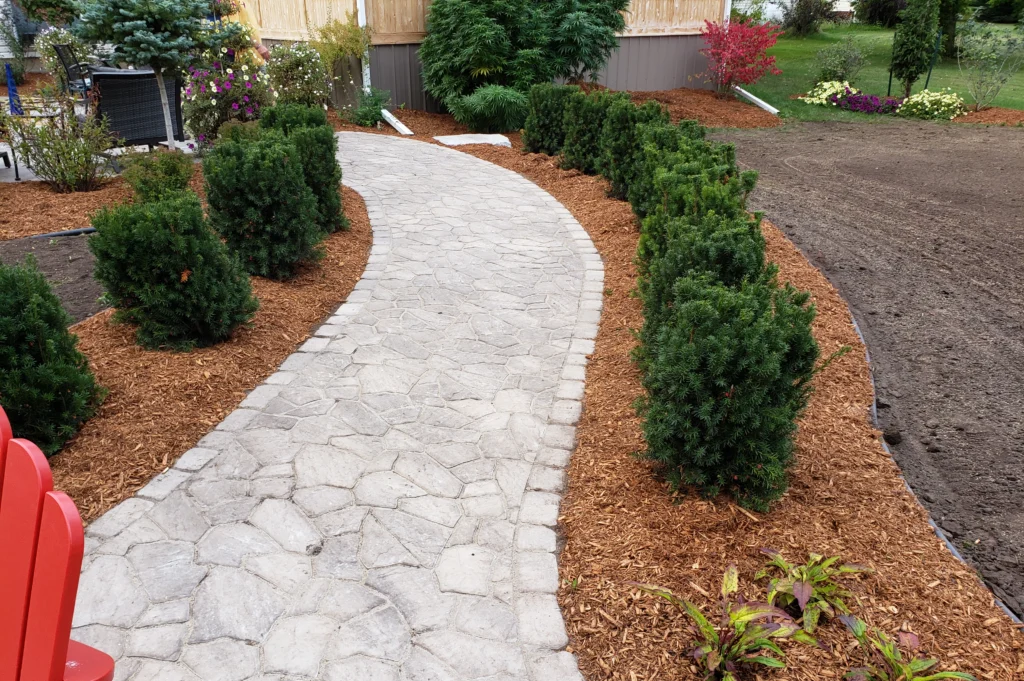
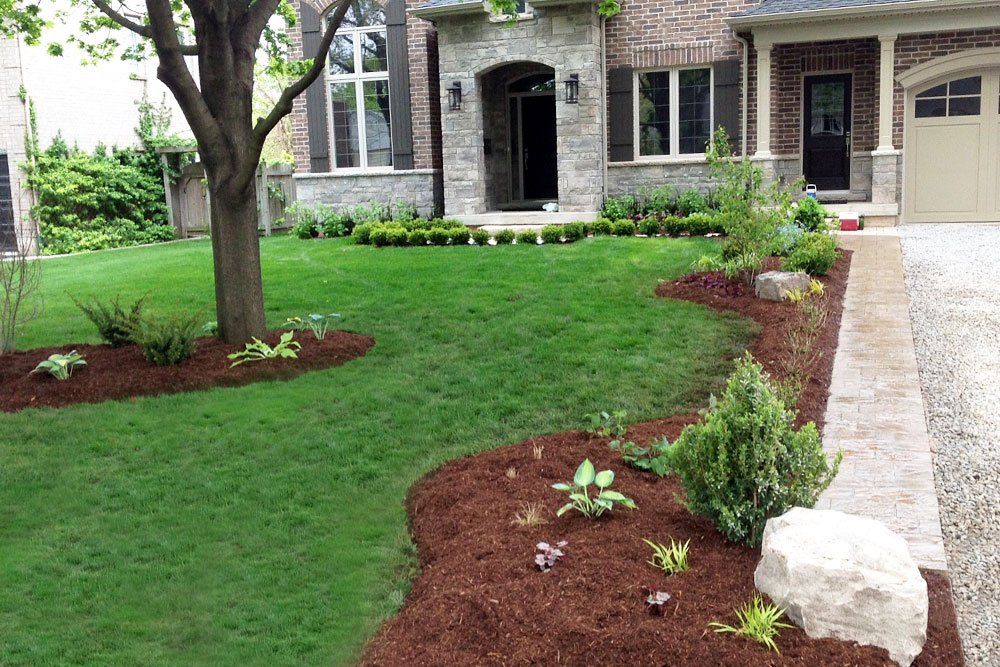
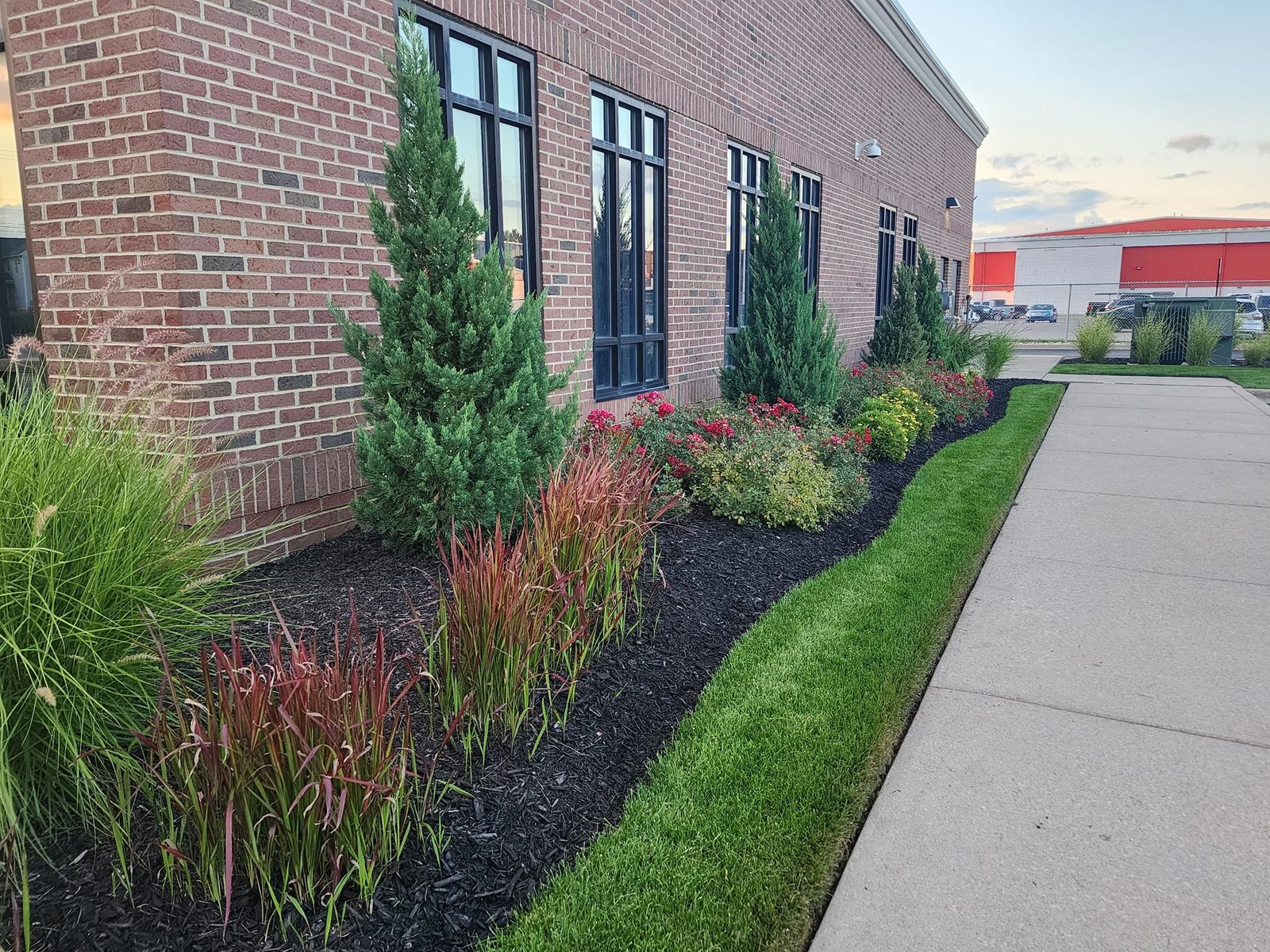
Even excellent plants can look unfinished when a garden bed has no definition. Crisp edging separates the planting area from lawn, gravel, or hardscape and makes mowing easier. Depending on the design, the edge may be created with a natural bed cut, stone, pavers, or another material that matches the rest of the property.
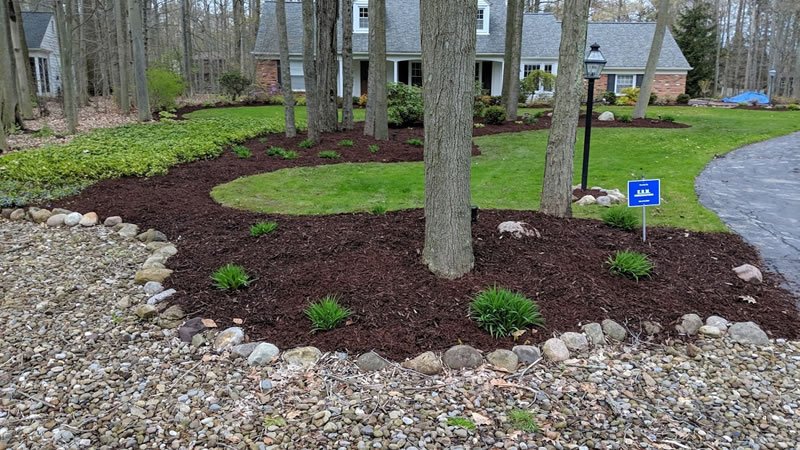
Mulch is equally important. A proper layer helps hold moisture, moderates soil temperature, and limits weed growth while plants establish. It also gives a newly planted garden a clean, consistent appearance from day one. Mulch should not be piled against plant stems or tree trunks, and it should not be used to hide drainage problems or poor soil work.
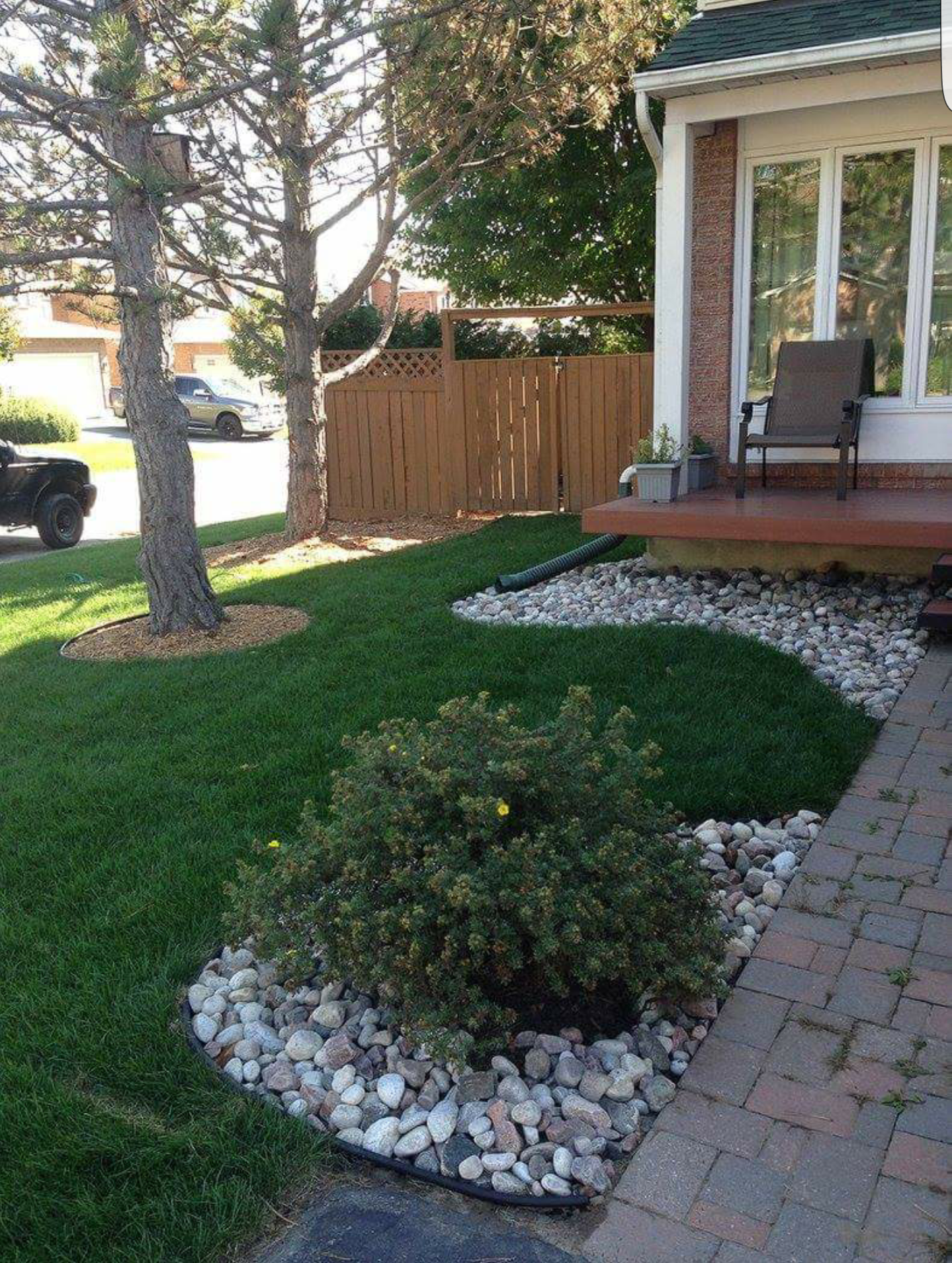
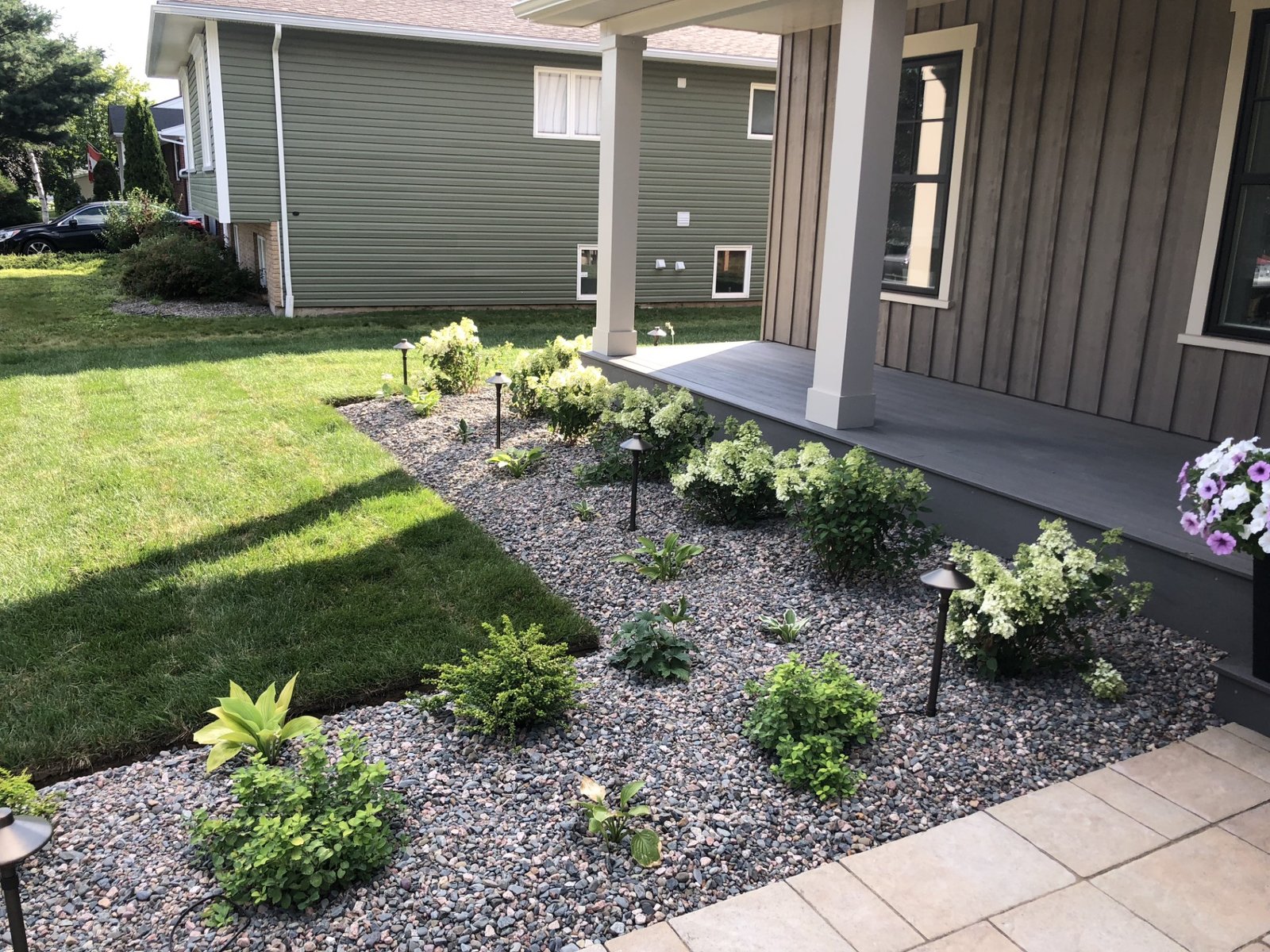
River rock can be useful in select locations, particularly along drainage routes or in areas that need a more permanent, low-maintenance surface. It is not always the right choice for planting beds. Rock can retain heat, make future planting changes harder, and allow weeds to establish if the area is not prepared properly. The material should suit the function of the space, not just the look.
Planning for Ontario Winters and Summer Dry Spells
A garden that looks great in May still has to handle summer heat, heavy rain, freeze-thaw cycles, and a long winter. Plant selection and installation timing both matter. Plants need time to establish roots before harsh weather arrives, and the soil must be prepared so water does not sit around roots during wet periods.
Spring and fall are often strong planting windows because temperatures are milder and rainfall can help new plants settle in. Summer installations can also work when watering is managed consistently. The best timing depends on the plant material, site conditions, and the scope of the overall project.
If a garden is being installed alongside a patio, walkway, driveway, or retaining wall, hardscape work should generally be completed first. Heavy equipment and excavation can damage a newly planted bed. Coordinating the project in the right order protects the finished work and avoids paying twice to repair areas that were disturbed later.
When Professional Installation Is Worth It
A small garden refresh can be manageable for a homeowner with good soil, a level site, and time to maintain new plantings. Larger or more complex projects benefit from experienced installation, especially when there are grade changes, water concerns, mature roots, new hardscaping, or a complete yard renovation involved.
Professional crews can prepare beds efficiently, install plants at proper depth and spacing, move and spread soil or mulch cleanly, and leave the site ready to enjoy. Just as important, a contractor can identify when a garden plan needs drainage, grading, or structural work before planting begins.
At Right On Landscaping, we approach planting as part of the full outdoor space, not as an afterthought. That means looking at how the garden will connect to your lawn, stonework, drainage, and daily use of the property. Homeowners receive straightforward guidance, a clear estimate, and installation work built for the conditions their yard actually has.
A well-planted native garden should make your property easier to enjoy, not give you another weekend project to worry about. Start with a free on-site estimate, and build a garden that has a clear purpose, a clean finish, and room to grow for years.